


DissoAmerica 2026
Hourly Schedule
Day-1: Tuesday, June 16th, 2026 | Theme: New Emerging Technologies and the Role of Functional Excipients
- 09:00 am - 09:10 am
- Welcome Address
- Dr. Vinod P. Shah, SPDS US Chapter
-
Speakers:
Vinod P. Shah
- 09:10 am - 09:40 am
- Keynote:
- Dr. Aktham Aburub, Eli Lilly
-
Speakers:
Aktham Aburub
- 09:40 am - 09:50 am
- Q&A
- 10:00 am - 01:00 pm
- Session 1: Long-Acting Injectables
- Chairs: Vivek Shah, Sotax; David Curran, GSK
-
Speakers:
David Curran, Vivek Shah
- 10:00 am - 10:30 am
- From Dissolution to Disassembly: Solving the Biomolecular Puzzle
- Prof. Matthias Wacker, KU Leuven University
-
Speakers:
Matthias G. Wacker
- 10:30 am - 11:00 am
- 3D-Printed In Vitro Models for Subcutaneous Drug Release Testing
- Hao Lou, University of Kansas
-
Speakers:
Hao Lou
- 11:00 am - 11:30 am
- Coffee Break
- 11:30 am - 12:00 pm
- Release Kinetics from Long-Acting Microsuspension of Bedaquiuline Fumarate
- Arvind Bansal, NIPER
-
Speakers:
Arvind Bansal
- 12:00 pm - 12:30 pm
- Deciphering the Depot: Mechanistic PBPK Modeling and Population Balance Strategies for Long-Acting Injectables
- James Mullin, Simulations Plus
-
Speakers:
James Mullin
- 12:30 pm - 01:00 pm
- Panel Discussion. Questions & Answers.
- 01:00 pm - 02:30 pm
- Lunch Break
- 02:30 pm - 05:30 pm
- Session 2: New modalities/enabling formulations
- Chairs: Deanna Mudie, Simulations Plus; Pradnya Bapat, Lilly
-
Speakers:
Deanna Mudie, Pradnya Bapat
- 02:30 pm - 03:00 pm
- Revealing Hidden Microscale Behavior of ASD with non-linear optics/stimulated Raman microscopy
- Prof. Clare Strachan, University of Helsinki
-
Speakers:
Clare Strachan
- 03:00 pm - 03:30 pm
- A Translational Framework for SEDDS: Integrating Biorelevant Dissolution with In Vivo Performance
- Ajay Saxena, BMS
-
Speakers:
Ajay Saxena
- 03:30 pm - 04:00 pm
- Coffee Break
- 04:00 pm - 04:30 pm
- Bioavailability Correlations in Lipid-Based Formulations: Overcoming In-Vitro Dissolution Challenges for IVIVC
- Sandip Tiwari, BASF
-
Speakers:
Sandip Tiwari
- 04:30 pm - 05:00 pm
- Fit-for-Purpose Biopharmaceutics and In-Vitro Methods: A Reviewer's Perspecitive
- Hardikkumar Patel, FDA
-
Speakers:
Hardikkumar Patel
- 05:00 pm - 05:30 pm
- Panel Discussion. Questions & Answers
- 05:30 pm - 07:00 pm
- Networking Event: Wine & Cheese, Poster Session
Day-2: Wednesday, June 17th, 2026 | Theme: Patient-centric developments: Long-Acting and Pediatric Drug Delivery Solutions
- 09:00 am - 09:10 am
- Welcome Address
- Sanjay Patel, SPDS US Chapter
-
Speakers:
Sanjaykumar Patel
- 09:10 am - 09:40 am
- Keynote Address
- Dr. Filippos Kesisoglou, Merck & Co. Inc.
-
Speakers:
Filippos Kesisoglou
- 09:40 am - 09:50 am
- Q&A
- 10:00 am - 01:00 pm
- Session 3: Macromolecules
- Chairs: Xujin Lu, Consultant; Daniel Smith, Merck
-
Speakers:
Daniel Smith, Xujin Lu
- 10:00 am - 10:30 am
- Role of Bile Acids in Macrocycle and Peptide Oral Delivery
- Prof. Michael Hageman, University of Kansas
-
Speakers:
Michael Hageman
- 10:30 am - 11:00 am
- Oral Peptides: Design Drives Formulation Success
- Stephen Buckley, Novo Nordisk
-
Speakers:
Stephen T Buckley
- 11:00 am - 11:30 am
- Coffee Break
- 11:30 am - 12:00 pm
- Role of Intestinal Region and Formulation Design in Oral Peptide Delivery
- Jenna Walker, Eli Lilly
-
Speakers:
Jenna Walker
- 12:00 pm - 12:30 pm
- Breaking the Oral Delivery Barrier for Macromolecules: From Dissolution to Delivery
- Karu Sakuru, Catalent
-
Speakers:
Karunakar (Karu) Sukuru
- 12:30 pm - 01:00 pm
- Panel Discussion. Questions & Answers
- 01:00 pm - 02:30 pm
- Lunch Break
- 02:30 pm - 05:30 pm
- Session 4: Pediatric Development
- Chairs: David Sperry, Eli Lilly; Nitin Kumar Swarnakar, BASF
-
Speakers:
David Sperry, Nitin Kumar Swarnakar
- 02:30 pm - 03:00 pm
- Biorelevant Dissolution Strategies for Pediatric Medicines: Advancing Pediatric Drug Development
- Prof. Sandra Klein, University of Greifswald
-
Speakers:
Sandra Klein
- 03:00 pm - 03:30 pm
- Small Patients, Big Questions: Rethinking Dissolution for Pediatric Drug Products
- Johannes Moes, J&J
-
Speakers:
Johannes Moes
- 03:30 pm - 04:00 pm
- Coffee Break
- 04:00 pm - 04:30 pm
- Application of Compendial Dissolution Methods for Predicting Pharmacokinetic Profiles of Pediatric Formulations in Children
- Kazuko Sagawa, Pfizer
-
Speakers:
Kazuko Sagawa
- 04:30 pm - 05:00 pm
- Extrapolation Using PBPK Modeling to Support the Development of Pediatric Products
- Arindom Pal, FDA
-
Speakers:
Arindom Pal
- 05:00 pm - 05:30 pm
- Panel Discussion. Questions & Answers
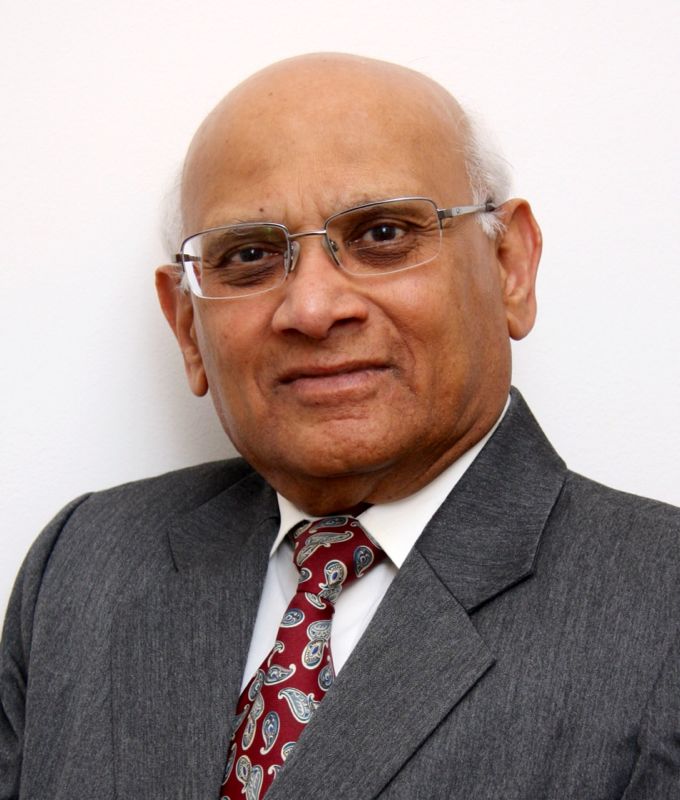
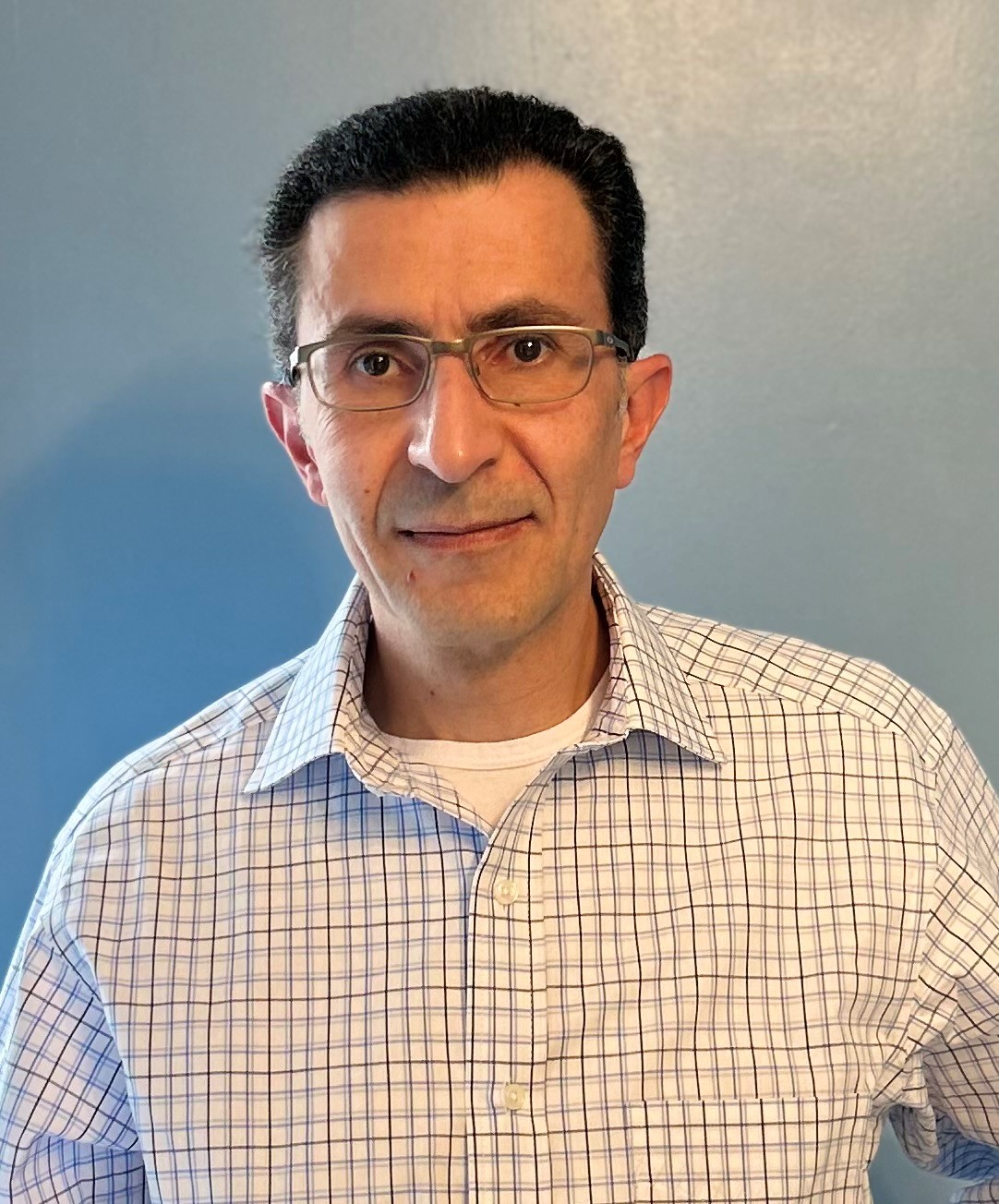
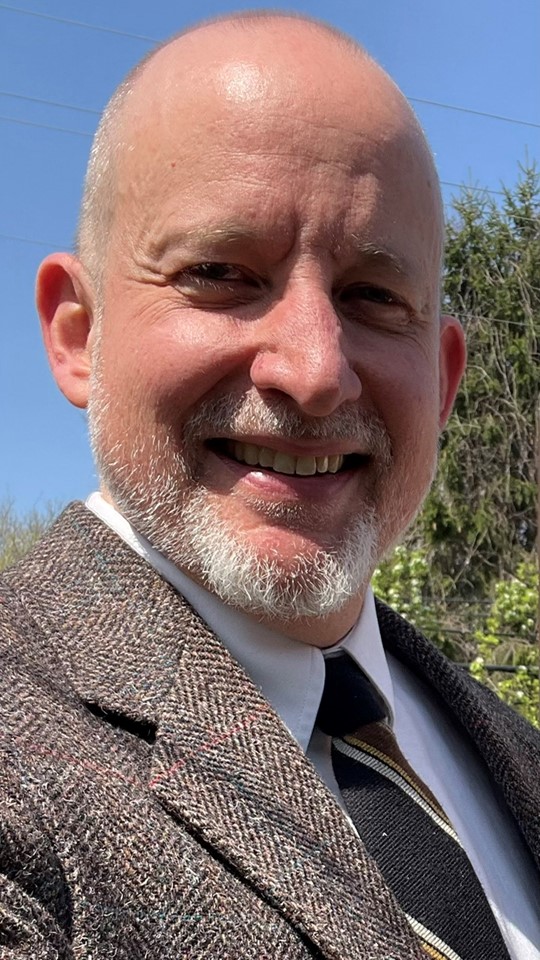
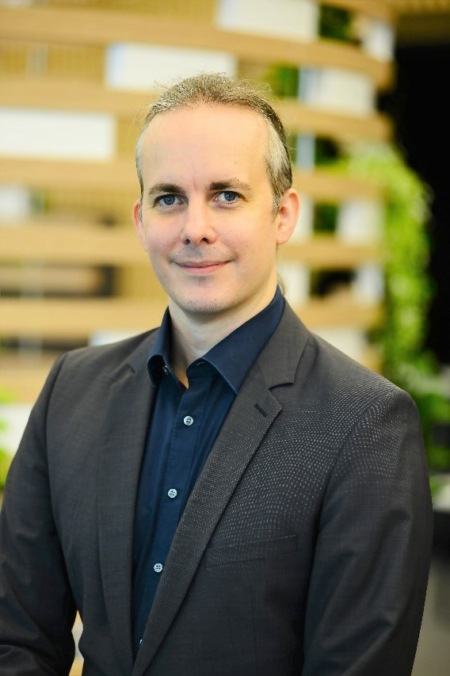
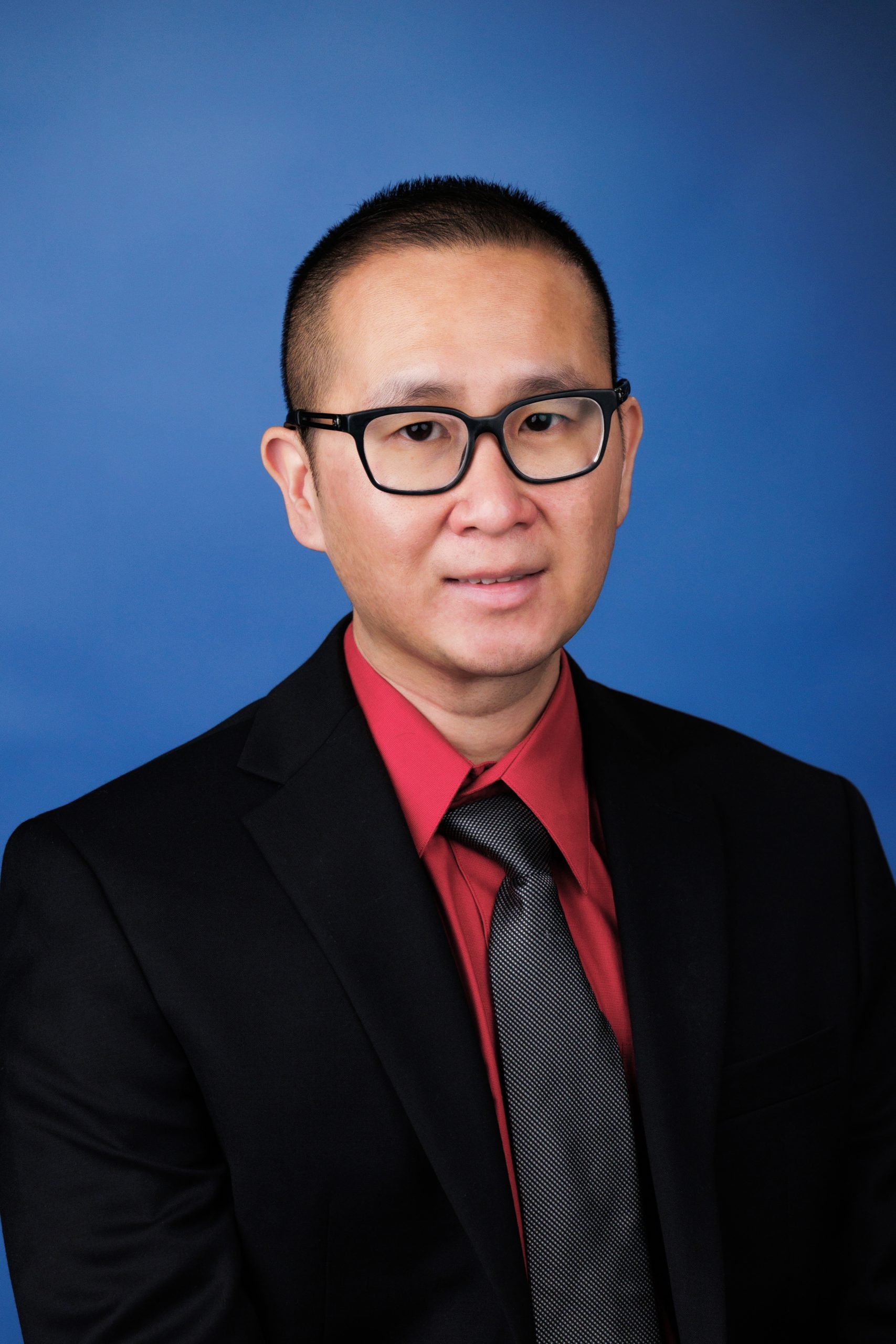
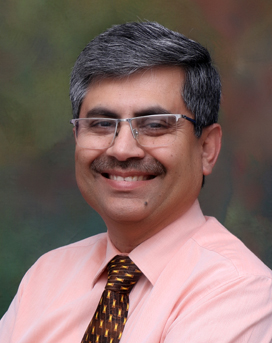
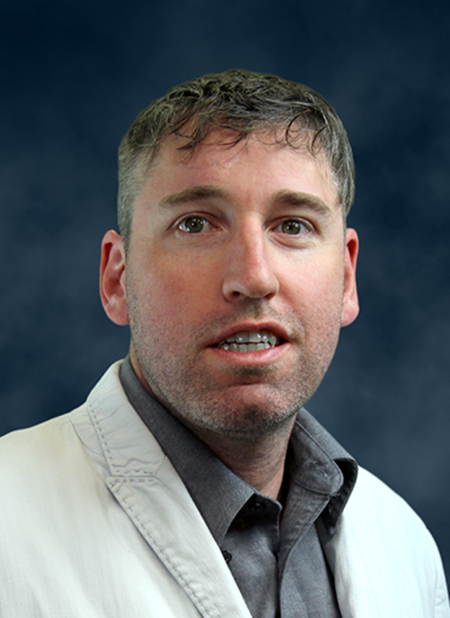







Speakers
-
Ajay Saxena
Dr. Ajay Saxena is a Scientific Director at Bristol Myers Squibb with extensive experience in drug product development from early development through commercialization. He has successfully led cross-functional global teams to develop patient-centric drug products for complex molecules, addressing formulation, process, and bioperformance risks. His expertise includes the application of biorelevant dissolution methods, physiologically based pharmacokinetic (PBPK) modeling, and integrated in vitro–in vivo approaches to enhance predictability of drug product performance. Dr. Saxena holds a Ph.D. in Pharmaceutics from the University of Bradford and has authored multiple publications and patents in drug delivery and model-informed drug development.
-
Aktham Aburub
Dr. Aburub is Vice President, Research—Synthetic Molecule Design and Development at Eli Lilly and Company. He brings extensive pharmaceutical industry experience spanning the full development continuum, from discovery through commercialization. He has led and contributed to the development, regulatory submission, and commercialization of multiple products across diverse modalities, and he has served as the CMC leader for Lilly’s oral peptide delivery program. Aktham is a recipient of the ACS Heroes of Chemistry Award and has authored more than 80 journal articles, book chapters, patents/applications, and conference proceedings. He is also an adjunct professor at the University of Minnesota. Aktham earned a PhD in Pharmaceutical Sciences from the University of Iowa and a BSc in Pharmacy from Jordan University of Science and Technology
-
Arindom Pal
Dr. Arindom Pal is a Pharmacokineticist in the Division of Quantitative Methods and Modeling (DQMM), Office of Research and Standards, Office of Generic Drugs at the U.S. Food and Drug Administration (FDA). Dr. Pal earned his Ph.D. in Pharmaceutical Sciences from the University of California, Pacific in 2019. Following his doctoral studies, he completed a three-year postdoctoral fellowship at Johns Hopkins University School of Medicine, where he contributed to the DMPK group within the Johns Hopkins Drug Discovery Center. Dr. Pal joined the FDA in 2023 as an ORISE Fellow and transitioned to his current role as Staff Fellow in 2024. His research expertise encompasses physiologically-based pharmacokinetic (PBPK) modeling, drug metabolism and pharmacokinetics (DMPK), and targeted drug delivery systems. At the FDA, Dr. Pal focuses on oral PBPK modeling and simulations to support regulatory reviews and advance research initiatives within DQMM. His multidisciplinary training in biopharmaceutics, pharmaceutical chemistry, and pharmacology provides a strong foundation for his contributions to pharmaceutical science and regulatory science.
-
Arvind Bansal
Dr Arvind Kumar Bansal is currently Professor, department of Pharmaceutics at National Institute of Pharmaceutical Education and Research (NIPER) – SAS Nagar, Punjab, India. He earned his M Pharm (Pharmaceutics) (1988) and Ph.D. (1993) from University of Delhi, India. Before joining NIPER, Prof Bansal worked as Senior Scientist and Group Leader in JK Pharmaceuticals and Ranbaxy Research Laboratories, for 8 years. Prof Bansal joined NIPER in 2000 and developed expertise in areas of pre-formulation and formulation development encompassing characterization and stabilization of the amorphous form, polymorphism, pseudo-polymorphism, particle engineering, screening salt forms, improvement of oral bioavailability and lyophilization. His research group works with the mission statement – ‘developing science based industrially viable pharmaceutical technologies’ and works closely with pharmaceutical industry to create opportunities for commercial exploitation of the products. Dr Bansal was conferred prestigious Fellow of American Association of Pharmaceutical Sciences in 2016. He was the first Indian, working in India, to be awarded this Fellow status. He has won prestigious awards like AAiPS Distinguished Educator and Researcher Award, Innocentive Award, OPPI Award and IPA-ACG Scitech Innovation Award 2018 for Best Innovative Development of Solid Dosage Form. Prof Bansal’s research group has completed more than 650 industry-sponsored projects, granted 12 patents, filed 27 patents, and published over 200 research and review articles. He has total citations of >13,200, with h-index of 62, in Google Scholar. He is an editorial board member of ‘Journal of Excipients and Food Chemicals’, ‘Drug Development Research’ and ‘Pharmaceutics’. He is also an Advisor to the editorial board of ‘Journal of Pharmaceutical Science’ and ‘Molecular Pharmaceutics’.
-
Clare Strachan
Clare Strachan completed a PhD at the University of Otago (New Zealand) in 2005 on Raman, terahertz and second harmonic generation for solid state analysis of pharmaceuticals. During this time she was also based at TeraView Ltd and the Cavendish Laboratory, University of Cambridge. She then transferred to the University of Helsinki, Finland for postdoctoral research in process analytical technology (PAT), and subsequently oscillated between Faculty positions in New Zealand and Finland. Since 2020 she is full Professor of Pharmaceutical Analysis at the University of Helsinki where she leads the Pharmaceutical Spectroscopy and Imaging research group, as well as the Helsinki Institute of Life Sciences (HiLIFE) Molecular Spectroscopy for Life Sciences (LifeSpec) infrastructure. Prof. Strachan’s current research focuses particularly on vibrational spectroscopy and imaging for pharmaceutical analysis, especially coherent Raman and complementary non-linear optical methods to enlighten microscale solid-state/phase behavior of pharmaceuticals during drug development. During her career, she has supervised about 25 PhD theses, published approximately 140 articles in international peer-reviewed journals, collaborated with and consulted for pharmaceutical industry, and accumulated over €6 million in competitive research funding. She is also currently an Editor of the European Journal of Pharmaceutics and Biopharmaceutics.
-
Daniel Smith
Daniel is an Associate Principal Scientist at Merck in Rahway NJ. After earning his Ph.D from the University of Delaware while working as a graduate student researcher fellow at the National Cancer Institute in Frederick MD, he moved to University of Utah as a post-doctoral fellow in biomedical engineering. His graduate and postdoctoral work focused on synthesis of peptides and their applications as biomaterials and theranostic tools. Over the past 12 years in the pharmaceutical industry, he has worked extensively on Solid Dose Automation Platforms while at GlaxoSmithKline and now at Merck, establishing himself as a subject matter expert for automating manual sample preparation and dissolution methodology. In his time at Merck, he has also served as an analytical project lead and ventured into dissolution modeling within early and late-stage product development.
-
David Curran
Dave has worked as an analytical scientist in the pharma industry for 28 years, and is one of GSK’s experts on the development of dissolution methods, particularly for long acting injectables. Dave co-leads a team within the IQ Consortium focused on in-vitro release of LAIs, and was a co-author on USP chapter In-Vitro Release Test Methods for Parenteral Drug Preparations, about a dozen papers and one book chapter.
-
David Sperry
Dr. Sperry is a Sr. Research Advisor in Small Molecule Drug Development at Lilly Research Laboratories. He obtained a B.S. degree in chemistry from Indiana University, Bloomington, IN and a Ph.D. degree in chemistry from the University of Rochester, Rochester, NY. After receiving his degree, he took a postdoctoral research scientist position at Pharmacia & Upjohn where he developed an Artificial Stomach Duodenum model and studied its utility in drug development. Shortly thereafter, he accepted a research scientist position at Pharmacia (later Pfizer), working in the area of in vitro methods and biopharmaceutics. He then moved to Bausch and Lomb where he developed commercial ophthalmic formulations for late stage molecules. In 2007, Dr. Sperry joined Lilly Research Laboratories, where he created a group focusing on in vitro drug product performance techniques and predictions of in vivo performance. In 2013, Dr. Sperry joined a computational modeling group at Lilly. He now supports product development by using existing and creating new models to predict product performance and oral absorption of small molecule drug formulations.
-
Deanna Mudie
Dr. Deanna Mudie is a leader in oral drug formulation and PBPK modeling with over 20 years of experience across academia, pharmaceutical companies, and CDMOs. She is a recognized expert in the development of amorphous solid dispersion (ASD) formulations for improving the performance of poorly soluble compounds. As a Senior Principal Scientist at Simulations Plus, Dr. Mudie develops modeling solutions that enhance drug innovation and streamline regulatory approvals. With a PhD in Pharmaceutical Sciences and a BSE in Chemical Engineering from the University of Michigan, she combines her background in formulation design with simulation technology to advance pharmaceutical research.
-
Filippos Kesisoglou
Filippos Kesisoglou is a Scientific Associate Vice President at Merck & Co., Inc., (Rahway, NJ, USA) Pharmaceutical Sciences department. Filippos has over 20 years of experience in the fields of biopharmaceutics and formulation development, pharmacokinetics, PBPK and IVIVC modeling as related to clinical, drug product development and CMC regulatory applications, including establishment of clinically relevant specifications, across modalities. He has been a key contributor to several new drug applications across therapeutic areas. He has authored/co-authored 95 manuscripts/book chapters and more than 100 conference abstracts/podium presentations/webinars in several national/international meetings in the fields of biopharmaceutics, PBPK modeling, formulation development and drug delivery. Filippos has been involved over the years in several cross-industry and academia consortia including the IQ consortium and since 2023 has joined the ICH M13 (Bioequivalence Guideline) Expert Working Group. He is currently serving as an Editor for Journal of Pharmaceutical Sciences and on the Editorial Advisory Boards for the AAPS Journal and Pharmaceutical Research. He has been elected a Fellow of the American Association of Pharmaceutical Scientists (AAPS) and of the Americal Institute for Medical and Biological Engineering (AIMBE).
-
Hao Lou
Hao Lou is an assistant professor at the Department of Pharmaceutical Chemistry, University of Kansas. He obtained a B.S. in Pharmaceutical Sciences from Purdue and later earned a Ph.D. in Pharmaceutical Chemistry from KU. During his PhD, he also worked at the KU BIOCenter. Prior to joining KU, he had 8 years of industrial experience. In his most recent industrial position, he was engaged in clinical-phase drug product development, manufacturing process scale-up, and enabling technology research at Amgen. With a multidisciplinary background, his current research focuses on applying computational methods, such as MD simulation, Multiphysics modeling, and AI/ML, to understand subcutaneous administration and to provide insights into drug fate in in vitro and in vivo systems.
-
Hardikkumar Patel
Hardikkumar Patel, Ph.D., is currently a Senior Biopharmaceutics Assessor in DPQA XII, OPQA II, Office of Pharmaceutical Quality (OPQ), CDER, FDA. His responsibilities include risk-based biopharmaceutics assessment of NDAs, ANDAs, INDs, supplements, and pre-ANDA submissions. His areas of expertise include dissolution, IVRT, physicochemical characterization, and regulatory evaluation of drug product performance. Before joining his current role, Hardik was with the Office of Lifecycle Drug Products (OLDP), where he served as an ORISE fellow, a drug product assessor for oral drug products, and a drug product assessor for liquid-based drug products. He completed internships at GSK Consumer Healthcare as a bench scientist during the summers of 2012 and 2013. Hardik received his Ph.D. in Pharmaceutical Sciences and M.S. in Industrial Pharmacy from Long Island University, New York. He earned his Bachelor of Pharmacy degree from Nirma University, India.
-
James Mullin
James Mullin is a Senior Principal Scientist at Simulations Plus, Inc. and has a graduate degree in Chemical Engineering. In his role at Simulations Plus, he contributes to modeling and simulation development and consulting activities across multiple programs including GastroPlus, MembranePlus, and DDDPlus. Most recently, James is participating in an FDA grant project to extend the capability of Gastroplus to predict local tissue concentrations by enhancing the model structure. Additionally, he has developed models to predict partitioning in pulmonary tissues and simulate inhalation of vapors for purposes of toxicological modeling and assessments. James has 19 years’ experience in PBPK modeling, computational fluid dynamics, and mathematical modeling.
-
Jenna Walker
Jenna Walker obtained a B.S. degree in chemistry from Purdue University, West Lafayette, IN and a Ph.D. degree in Pharmaceutical Sciences from the University of Michigan, Ann Arbor, MI. During her doctoral studies, she focused on the development of long-acting injectable formulations for large molecule therapeutics, contributing to advances in sustained drug delivery technologies.
Following completion of her Ph.D., Jenna joined Eli Lilly and Company, where she has spent the past five years as a formulator in drug product development. In this role, she works across both early- and late-phase development, focusing on solid oral dosage forms. Her work supports the design, development, and optimization of formulations to enable robust product performance and successful advancement through the development pipeline
-
Johannes Moes
Johannes is Scientific Director Dissolution Sciences at Johnson & Johnson Innovative Medicine. He leads global dissolution and in vitro performance strategies supporting drug product development and regulatory submissions across multiple modalities. His work focuses on using dissolution as a clinically and bio-pharmaceutically relevant performance test, enabling science based specifications, robust method development, and opportunities for biowaivers. Johannes brings deep expertise at the interface of formulation, process, biopharmaceutics, and regulatory science.
-
Karunakar (Karu) Sukuru
Karunakar Sukuru (Karu) R.Ph., Ph.D. is the Global Vice-President of Product Development at Catalent Pharma Solutions. With over 29 years of experience in the pharmaceutical industry, he is a well-known leader in the development and manufacturing of various drug delivery systems and technologies. He has been responsible for P&L, product development, and execution of projects globally, making him a reliable and strategic thinker. Karunakar had technical oversight of products at over more than a dozen CDMOs worldwide while working at Endo Pharma. Currently, at Catalent, he works with 100s of pharmaceutical customers, including leading BioPharma companies globally. He has developed innovative CR platform technologies in softgel form (two granted patents) and has over 20 pending patent applications in the field of modified shell and fill suitable for capsules for enteric and colonic delivery and also in the lyophilization of biologics. After completing his Ph.D. in Pharmaceutics from IIT-BHU, India, in 1995, Karu began his career at Natco Pharma in India, where he developed a variety of oral dosage forms for two years. He then joined Banner Pharmacaps in India, where he worked on softgel and gel enrobed tablets. Karu joined Endo Pharma in 2006 and Catalent in 2016 as the VP of Product Development. He is also a Registered Pharmacist.
-
Kazuko Sagawa
Dr. Sagawa is a Research Fellow at Pfizer Research and Development in Groton Connecticut. As a member of a multidisciplinary team within Pfizer, she has been involved in developing biopharmaceutics strategy for drug product development. The work includes biopharmaceutics risk assessment, PBPK model development, and clinical bioequivalence risk assessment. Dr. Sagawa received her B.Sc in Pharmacy from Tokyo University of Pharmacy and Life Sciences (Tokyo Japan) and her Ph.D. in Pharmaceutical Sciences from the University of New York at Buffalo (Buffalo, NY)
-
Matthias G. Wacker
Matthias G. Wacker is Professor of Biopharmaceutics in the unit Drug Delivery and Disposition within the Department of Pharmaceutical and Pharmacological Sciences at KU Leuven, where he contributes to research and education in pharmaceutical sciences with a focus on advanced drug delivery and biopredictive testing. He received his Ph.D. in Pharmaceutical Technology from Goethe University Frankfurt (Germany) and completed his habilitation (Dr. habil) at the Institute of Pharmaceutical Technology under the guidance of Prof. Jennifer Dressman and Prof. Jörg Kreuter.
Prior to joining KU Leuven, Prof. Wacker held senior academic and research leadership positions in both academia and applied research. He led the Department of Pharmaceutical Technology and Nanosciences at the Fraunhofer Institute for Molecular Biology and Applied Ecology (IME), where his work focused on translational formulation research at the interface of academia, industry, and regulation. From 2019 to 2026, he served as Associate Professor at the National University of Singapore (NUS), where he established an internationally visible research program in biopharmaceutics and complex drug delivery systems.
His research centers on in vitro testing and mechanistic characterization of complex dispersed dosage forms, including liposomes, lipid nanoparticles, and long-acting injectable systems. A particular emphasis lies on biopredictive release methods, in vitro–in vivo correlations (IVIVC), and the disassembly and transformation of drug carriers in physiological environments under realistic mechanical and biochemical conditions. Prof. Wacker integrates quality-by-design principles, advanced in vitro methodologies, and computational modeling to improve formulation design, regulatory relevance, and translational success.
Prof. Wacker is actively involved in international scientific and regulatory standardization efforts. He has contributed to expert committees of the United States Pharmacopoeial Convention (USP) and the ISO Technical Committee 229 on nanotechnology, supporting the development of robust testing standards for complex drug products. He serves on the editorial boards of several peer-reviewed journals, including the European Journal of Pharmaceutics and Biopharmaceutics, the European Journal of Pharmaceutical Sciences, and the Journal of Pharmacy and Pharmacology.
His scientific contributions have been recognized with awards such as the Eudragit® Best Paper Award and the Phoenix Pharmaceutics Science Award. Since 2022, he has been listed annually among the World’s Top 2% of Scientists based on single-year citation impact (“Stanford List”). -
Michael Hageman
Mike is a Distinguished Professor at the University of Kansas and has 30+ years of experience working in the pharmaceutical industry as a Research Scientist at Upjohn, Pharmacia, and Pfizer, and then as both Group Director and Executive Director of Discovery Pharmaceutics at Bristol-Myers Squibb. He obtained his BS in Pharmacy and PhD in Pharmaceutical Chemistry from the University of Kansas. Nine years ago, Mike took the position as the Valentino Stella Endowed Distinguished Professor of Pharmaceutical Chemistry at the University of Kansas. Mike also acts as the Director for the Biopharmaceutical Innovation and Optimization Center. His academic labs focus on Physical Pharmacy and Drug Delivery (P2D2) for PO, IP and SC delivery of poorly soluble and poorly permeable drugs, including the stabilization, formulation and processing of peptides and proteins. During his 30+ years in industry, he worked primarily in the preclinical and early clinical space, supporting Drug Discovery for molecular design and selection of developable small drug-like molecules as well as peptides and protein biologics. Significant emphasis was placed on providing physicochemical property characterization, including the design of preclinical dosage forms for enhanced bioavailability to enable successful progression of the drug candidates, all with a clear line-of-sight to a product dosage form. He was previously an adjunct professor at the Universities of Purdue, Kansas, and Utah. He was an editor for JPharmSci and chaired the Drug Delivery Advisory Committee for PhRMA Foundation. He is also an AAPS Fellow and has served as Chair of AAPS Physical Pharmacy and Biopharmaceutics Section. He currently serves on the Board of Trustees for the prestigious Madison and Lila Self Graduate Fellowships at the University of Kansas and the IAMI (Institute for Advancing Medical Innovation) Management Team at KU Medical Center.
-
Nitin Kumar Swarnakar
Dr. Nitin Kumar Swarnakar is a seasoned professional with over 16 years of experience in oral and parenteral drug product development. He currently holds the position of Global Application Lab NA Manager at BASF Corporation, USA and heading pharma solution lab. Dr. Swarnakar earned his Ph.D. in Pharmaceutical Science from the National Institute of Pharmaceutical Research and Education in Mohali, India, and also holds B.Pharm. and M.Pharm. degrees in Pharmaceutical Sciences from Dr. H.S. Gour University, Sagar, India.
Before joining BASF, Dr. Swarnakar served as a Senior Scientist at TesoRx Pharma, USA, where he was responsible for developing oral and parenteral formulations. He has also held Post-Doctoral positions at the University of Connecticut, the University of Cincinnati, and Western University of Health Science, where he worked on the development of sustained release, controlled release, and enabled drug products. Additionally, he has two years of experience working in the generic pharmaceutical industry (Ajanta Pharma and Macleods Pharma), where he developed instant release formulations based on 505(j) and 505 (b)(2) strategies.
Dr. Swarnakar is a co-inventor of 10 patents and has authored over 30 publications. He has also presented his research at many national and international conferences. His research interests include enhancing the safety and efficacy of difficult-to-deliver drugs, oral formulation development for bioavailability enhancement, melt extrusion process, parenteral formulation and continuous manufacturing of lipid-based drug products.
-
Pradnya Bapat
Pradnya Bapat, Ph.D. is a Research Advisor in the Synthetic Molecule Design and Development (SMDD), Biopharmaceutics Modelling Group at Eli Lilly and Company. Pradnya graduated from Purdue University in 2024 with a Ph.D. in Industrial and Molecular Pharmaceutics, where her research focused on dissolution mechanisms of amorphous solid dispersions. At Lilly, she provides biopharmaceutics support for both small and large molecule programs. Pradnya serves as a subject matter expert for biorelevant and QC dissolution methods and applies biopredictive dissolution testing and in silico absorption modeling to guide formulation design and enable efficient transitions from preclinical to clinical stages.
-
Sandip Tiwari
Dr. Sandip Tiwari is a pharmaceutical scientist and industry leader with more than 26 years of experience spanning formulation science, drug delivery, excipient technology, manufacturing science, and translational biopharmaceutics. He serves as Head of Technical Services for Pharma Solutions, North America at BASF, where he leads scientific initiatives that connect formulation design, in vitro performance, and regulatory-relevant product development across small molecules and advanced dosage forms.
Over the course of his career at BASF, Teva/ Actavis, Colorcon, and Zydus Cadila, Dr. Tiwari has contributed to complex oral dosage forms, modified-release systems, lipid-based and enabling formulations, excipient innovation, scale-up, technology transfer, and commercialization-oriented development. His work increasingly focuses on integrating dissolution science, model-informed development, digital tools, and AI-enabled workflows to improve formulation design, predict in vivo performance, and support risk-based decision-making.
Dr. Tiwari is recognized for his leadership in dissolution science and professional service. He currently serves as Chair of the AAPS Formulation & Delivery Community and previously served as Vice Chair and Chair of the AAPS In Vitro Drug Release and Dissolution Testing (IVDRT) Community. He is also a Board Member and Scientific Advisory Board Member of the Society for Pharmaceutical Dissolution Science (SPDS) U.S. Chapter.
An active scientific contributor, editor, speaker, and mentor, Dr. Tiwari is co-editor of the Desk Book of Pharmaceutical Dissolution Science and Applications and has authored over 100 publications, presentations, and patents. He also serves as Adjunct Professor in the Department of Translational Science and Medicine at the University of Alabama College of Community Health Sciences, reflecting his continued engagement in translational pharmaceutical science and academic mentorship. -
Sandra Klein
Prof. Dr. Sandra Klein is a pharmacist by training and obtained her license to practice pharmacy and her PhD from the University of Frankfurt, Germany. She was a Postdoctoral Fellow at Eastman Chemical Company in Kingsport, TN, USA and has been a Professor of Pharmaceutical Technology at the University of Greifswald, Germany since 2010. Since starting her PhD, she has been working on the development of biorelevant in vitro methods to assess the bioavailability of orally administered drugs and meanwhile has more than 20 years of experience with biorelevant dissolution assays. Her current research focuses on the development of biopredictive in vitro models to estimate the in vivo performance of drugs for different patient populations, as well as the development of oral dosage forms for special patient populations, particularly pediatric patients. The latter activities span the spectrum from formulations for poorly soluble drugs through taste-masked formulations to controlled-release dosage forms. Other research interests include the development of predictive and accelerated in vitro release methods for lozenges, vaginal and rectal delivery systems, and long acting injectables.
Sandra is a member of the American Association of Pharmaceutical Scientists (AAPS), the European Paediatric Formulation Initiative (EuPFI), the German Pharmaceutical Society (DPhG) and the International Association of Pharmaceutical Technology (APV). She is currently also the President-elect of the APV, an Expert Member of the USP Expert Panel on New Advancements in Product Performance Testing, an Expert Member of the conect4children (c4c) Formulations Expert Group, and Editor-in-Chief of Pharmazie, An International Journal of Pharmaceutical Sciences. -
Sanjaykumar Patel
Sanjaykumar Patel is Sr. Principal Scientist at Merck & Co., Inc. in Rahway, NJ. He has more than 22 years of experience in the pharmaceutical industry. His experience includes working on novel drug delivery formulations such as self-emulsifying drug delivery systems, amorphous solid dispersion, controlled release and gastroretentive, and parental formulation. His research interest is focused on developing predictive bio-relevant in-vitro methodologies to understand the in-vivo performance of oral and parental formulations. He has co-authored 18 scientific papers. He is an active member of AAPS and an immediate past Chair of the IVRDT (In Vitro Release and Dissolution Testing) community. He is a board member of the Society of Pharmaceutical Sciences-US Chapter in the area focusing on dissolution.
-
Stephen T Buckley
Dr. Stephen T. Buckley is Scientific Vice President in Drug Product Research at Novo Nordisk where he is responsible for a team of scientific experts tasked with identifying and evaluating novel drug delivery technologies. During his time at Novo Nordisk, Stephen has contributed to the development of multiple marketed drug products, including semaglutide, oral semaglutide, faster aspart and insulin icodec. He holds a degree in pharmacy from Trinity College Dublin (Ireland), and a Ph.D in biopharmaceutics and cell physiology from the same university. During this time, he also worked as a Visiting Fellow at the University of Southern California (USA). He is the recipient of honors and awards from the American Association of Pharmaceutical Scientists (AAPS) and the Scandinavian Physiological Society. He is (co-) author of 30+ articles in peer-reviewed journals (including Nature, Science, Science Translational Medicine and Nature Biotechnology), and has been invited to give numerous presentations at research institutions, international conferences and workshops.
-
Vinod P. Shah
Dr Shah is a Pharmaceutical Consultant. He is International Chairman of Society of Pharmaceutical Dissolution Science (SPDS) (2012 – Present) and founder President of SPDS-US chapter. He received his Pharmacy degree with Gold Medal distinction from Madras University, India and Ph.D. in Pharmaceutical Chemistry from University of California, San Francisco (UCSF).
Dr Shah served US Food and Drug Administration (FDA) in different capacities in the Centre for Drug Evaluation and Research. His regulatory research interest was to develop in vitro and in vivo methodology for various pharmaceutical dosage forms. He has developed many Regulatory Guidances for the Industry. He is a recipient of several FDA Awards, including Award of Merit. He retired from FDA as a Senior Research Scientist after over 30 years of service. He is author/co-author of over 340 scientific papers and is a co-editor of four books.
Dr Shah was the President of American Association of Pharmaceutical Scientists (AAPS) in 2003. He is a Fellow of AAPS and of International Pharmaceutical Federation (FIP). Dr Shah is a recipient of AAPS Distinguished Service Award; IDMA Eminent Pharmaceutical Analyst Award; FIP Lifetime Achievement Award in Pharmaceutical Sciences; Honorary Doctorate from Semmelweis University, Budapest, Hungary and from University of Medicine and Pharmacy Carol Davila Bucharest, Romania; SPDS Award of Excellence; American Association of Indian Pharmaceutical Scientists (AAiPS) Lifetime achievement award; AAPS Distinguished Pharmaceutical Scientist Award; AAPS Global Leader Award and FIP Host Madsen Medal Award. -
Vivek Shah
Vivek Shah is a highly accomplished scientist with an academic background in pharmaceutical sciences and chemistry. He received his Bachelor’s degree in Pharmaceutical Sciences from Ohio State University and then pursued a Master’s degree in Chemistry from Long Island University.
After completing his studies, Vivek began his professional career at Merck. He contributed to the development of new techniques, Direct Drug Analysis in Polymeric Implants DESI-MSI Imaging and using Mixed Reality in Pharmaceutical Development. His expertise with the Apparatus 4 helped drive dissolution studies for many different programs including a program that used an in-line NMR cryoprobe with the Apparatus 4.
Vivek’s expertise and contributions to the pharmaceutical industry have not gone unnoticed. He currently serves on the USP expert panel for In Vitro Product Performance and is an Executive Board member for the US Society of Pharmaceutical Dissolution Science, demonstrating his commitment to advancing the field of pharmaceutical sciences and his deep understanding of in vitro testing methodologies.
Currently, Vivek is leading the Pharma Services team for SOTAX in Massachusetts, where he continues to demonstrate his leadership and scientific acumen. In his current role, he has helped develop and validate groundbreaking in-vitro methods for complicated drug release programs.
-
Xujin Lu
Dr. Xujin Lu is a pharmaceutical consultant. With 30+ years of experience in pharmaceutical industry spanning analytical sciences, CMC, and formulation development across early‑ and late‑stage drug products, his career includes major contributions to the research, development, regulatory approval, and commercial launch of multiple innovative drug products in diverse dosage forms. His latest focus before retiring from Bristol Myers Squibb Company was in charge of the in‑vitro biopharmaceutics function, overseeing multi‑site and multi‑national teams responsible for evaluating drug release and predicting bioperformance of novel formulations, with dedication in advancing the scientific validity and strategic application of in‑vitro methodologies to support product development pipelines.
Dr. Lu is an active member of AAPS and a past Chair of the In Vitro Release and Dissolution Testing (IVRDT) Focus Group. He serves on the USP Expert Panel on New Advancements in Product Performance Testing, the USP Expert Committee on Dosage Forms, and the Editorial Advisory Board of Dissolution Technologies. He is also a member of the Scientific Advisory Board of the Society for Pharmaceutical Dissolution Science – US Chapter.